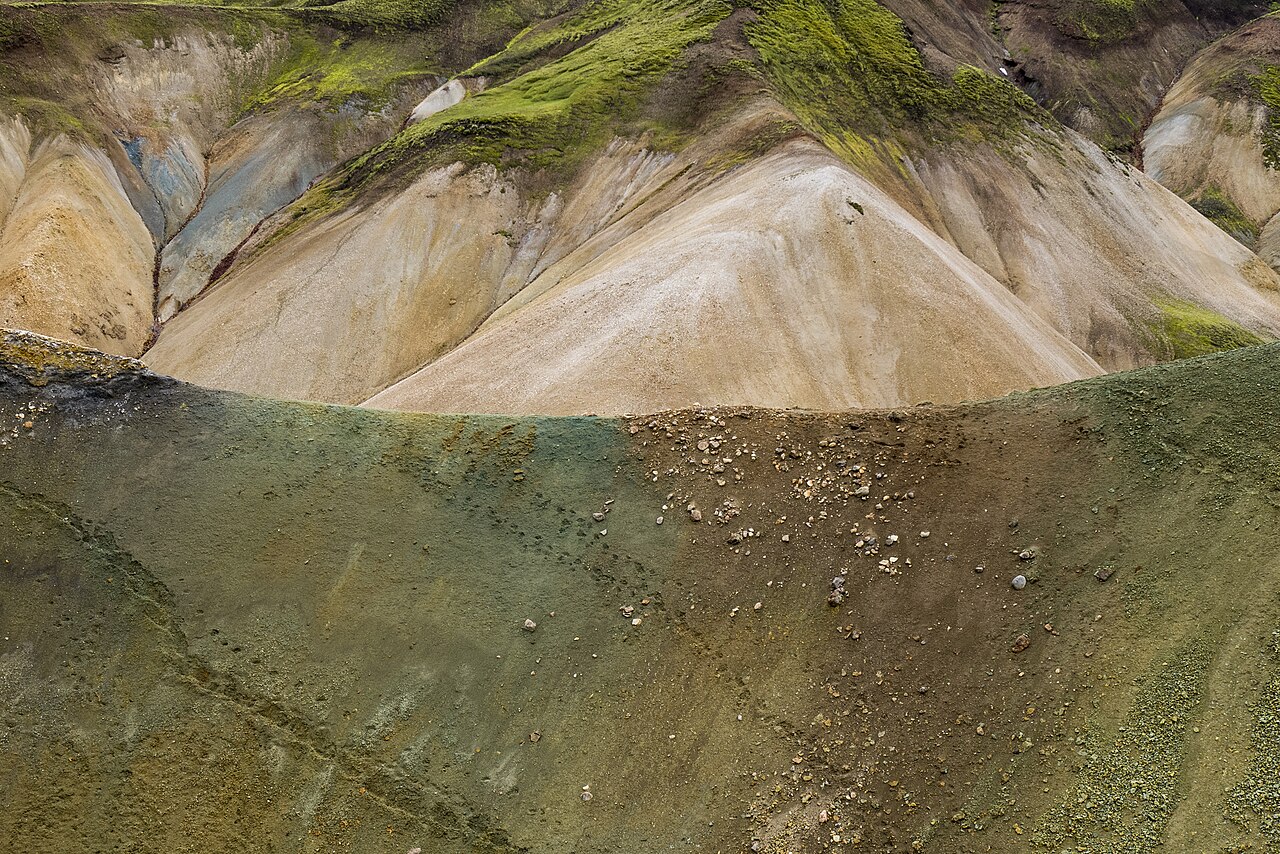

Some places invite an immediate comparison with a storybook: a castle above a forest, a street of brightly painted houses, a path disappearing into bamboo. Stay a little longer and the real histories become more interesting than the fantasy.
These ten places are lived in, worked in and cared for. Give their people and landscapes the same attention as the view, and make room for weather, local customs and the practical details of getting around.
Colmar, France
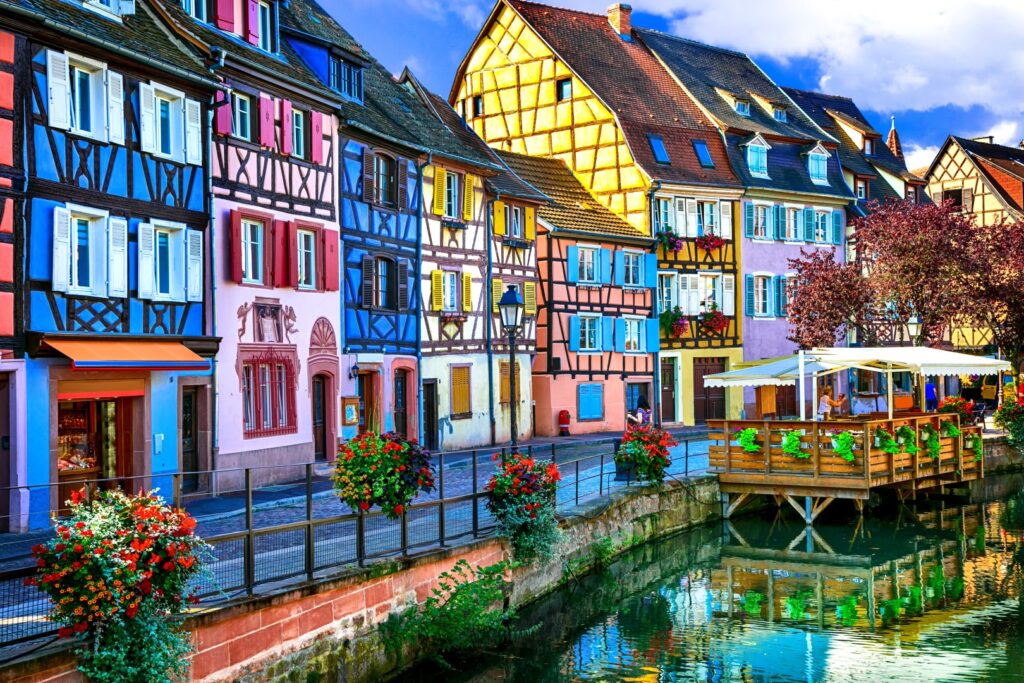
Colmar’s timber-framed houses and canal-side streets are a good reason to slow down in Alsace. Petite Venise is the familiar photographic scene, but the town also rewards time in its museums and quieter lanes. The local tourism office introduces those different sides. There is no need for a “most beautiful city” label: the details of shutters, signs and reflections supply their own pleasure.
Faroe Islands
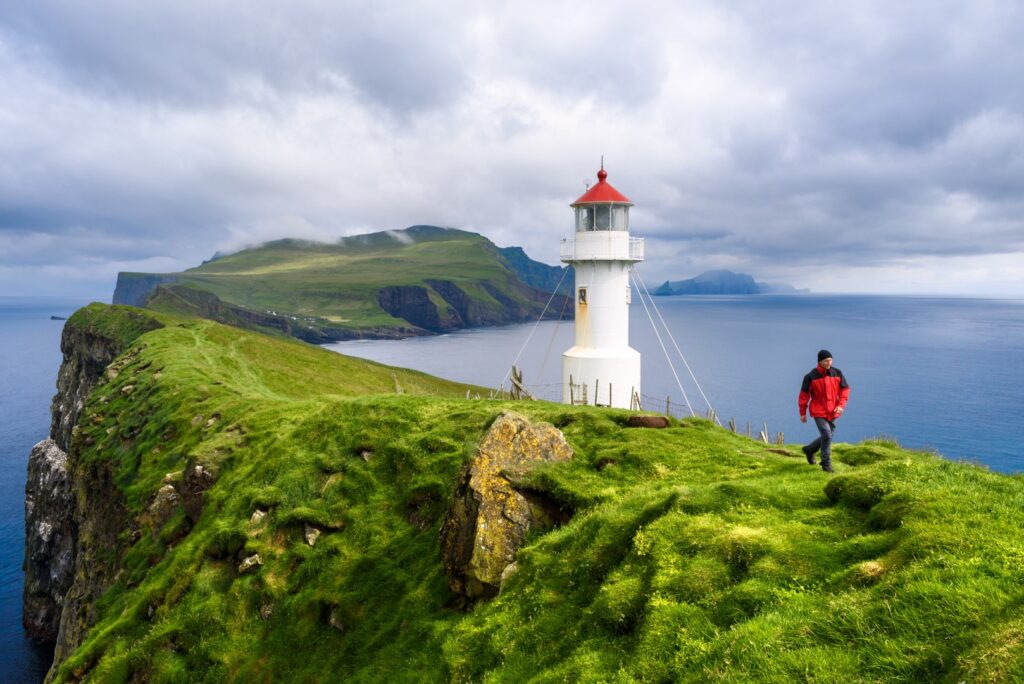
Cliffs, grass-covered slopes and villages beside the North Atlantic give the Faroe Islands an extraordinary sense of scale. The official visitor guidance explains how to explore with respect for local landowners and changing conditions. Some routes have access arrangements or fees. Ask before crossing private land, and let the weather determine the walk rather than letting a photograph determine the risk.
Neuschwanstein Castle, Germany
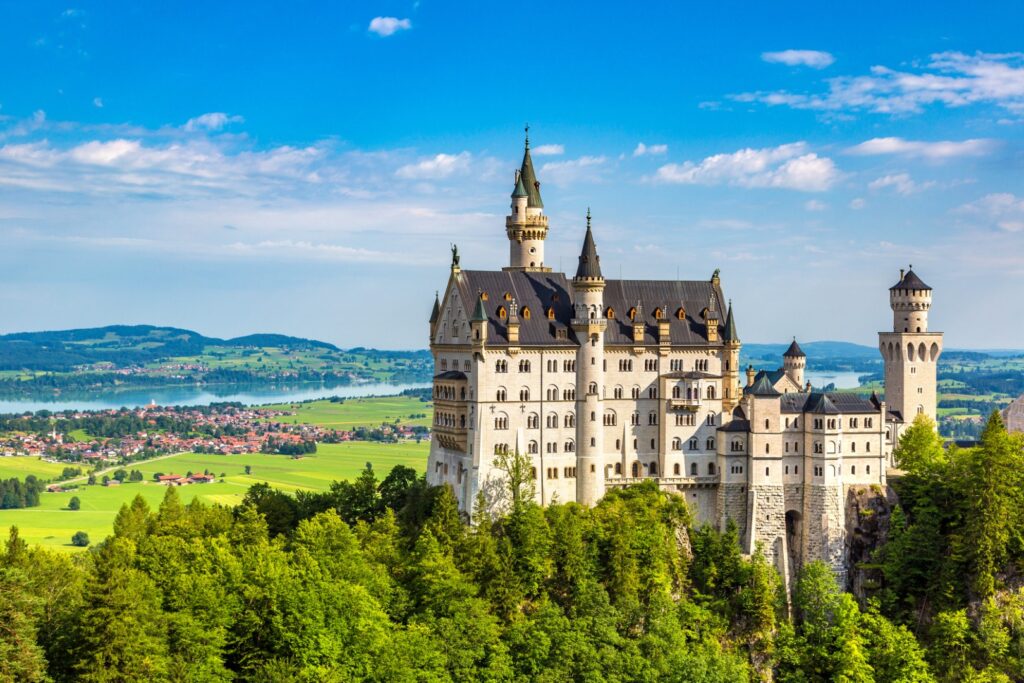
Ludwig II’s nineteenth-century retreat was conceived with medieval romance and theatrical imagery in mind. The palace administration explains how that vision coexisted with modern technology inside. Its setting above wooded hills is a large part of the effect. Use the official visitor information for ticketing and current path access, especially when winter conditions affect the surrounding area.
Cappadocia, Türkiye
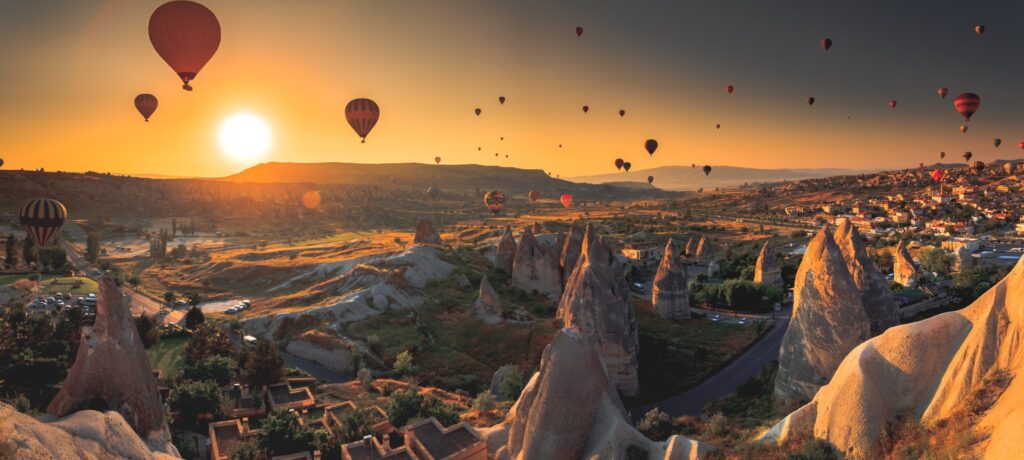
Volcanic deposits, erosion and centuries of human work have created Cappadocia’s distinctive valleys and rock-cut spaces. UNESCO’s Göreme account connects the landscape with churches and settlements rather than treating it only as unusual geology. Walking through a valley offers a different understanding from viewing it from above. Keep to permitted routes and respect fragile painted interiors.
Hoi An, Vietnam
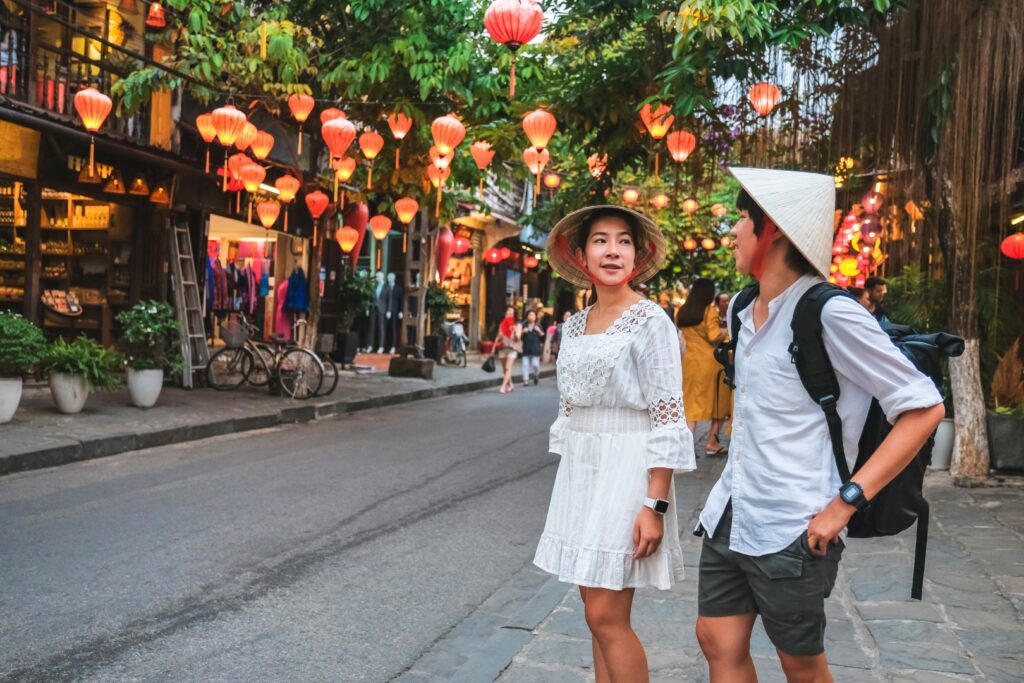
Lanterns are the familiar evening image, but Hoi An’s interest also lies in the surviving fabric of a trading port. UNESCO describes its mixture of local and overseas influences. Explore by daylight as well as after dark, when shopfronts and building details are easier to appreciate. The streets are more than a backdrop, with residents and businesses sharing a very popular historic centre.
Greenland
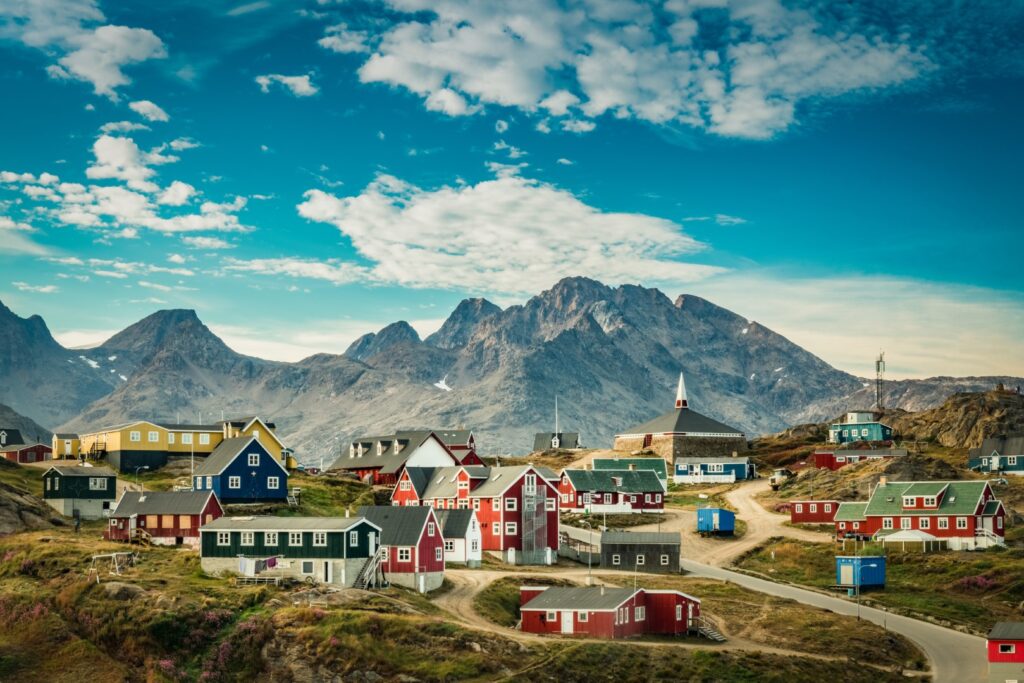
Greenland combines dramatic ice and coastal landscapes with communities whose cultures are central to any meaningful visit. Visit Greenland is a starting point for understanding the different regions and transport options. Roads exist within settlements, while journeys between communities often involve sea or air travel. Weather can reshape an itinerary, so leave room between connections and avoid treating the island as empty wilderness.
Venice, Italy
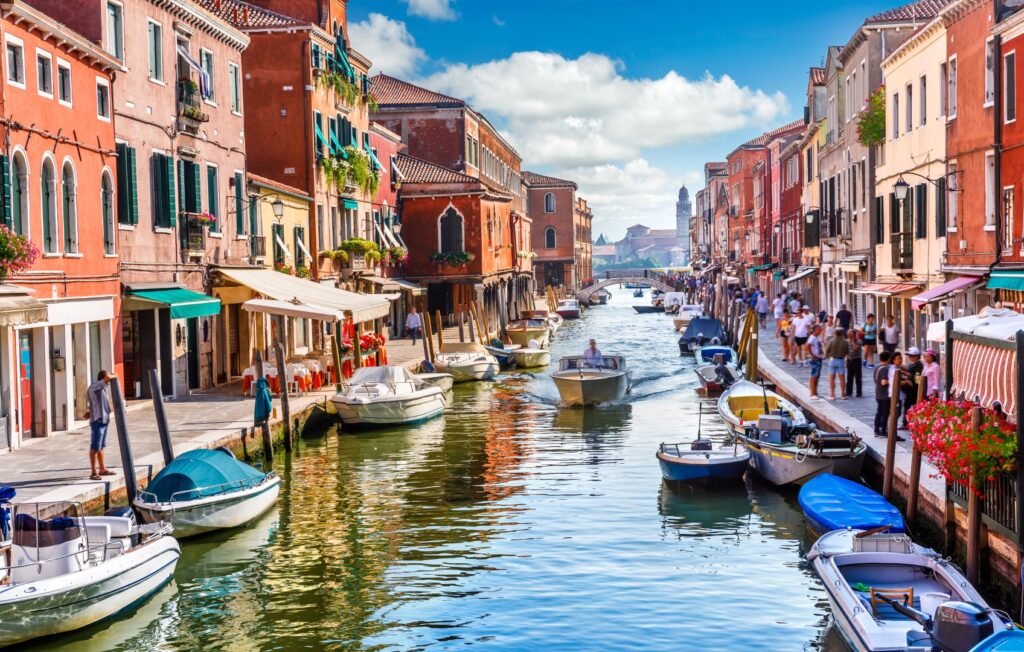
Venice’s waterways and closely packed buildings make even a short walk feel unlike other cities. The city’s Venezia Unica visitor site provides practical information, including arrangements that may affect day visitors. Wander beyond the most photographed views, give way on narrow bridges and remember that the boats are everyday transport. For a wider journey, explore our Italy guide.
Kathmandu, Nepal
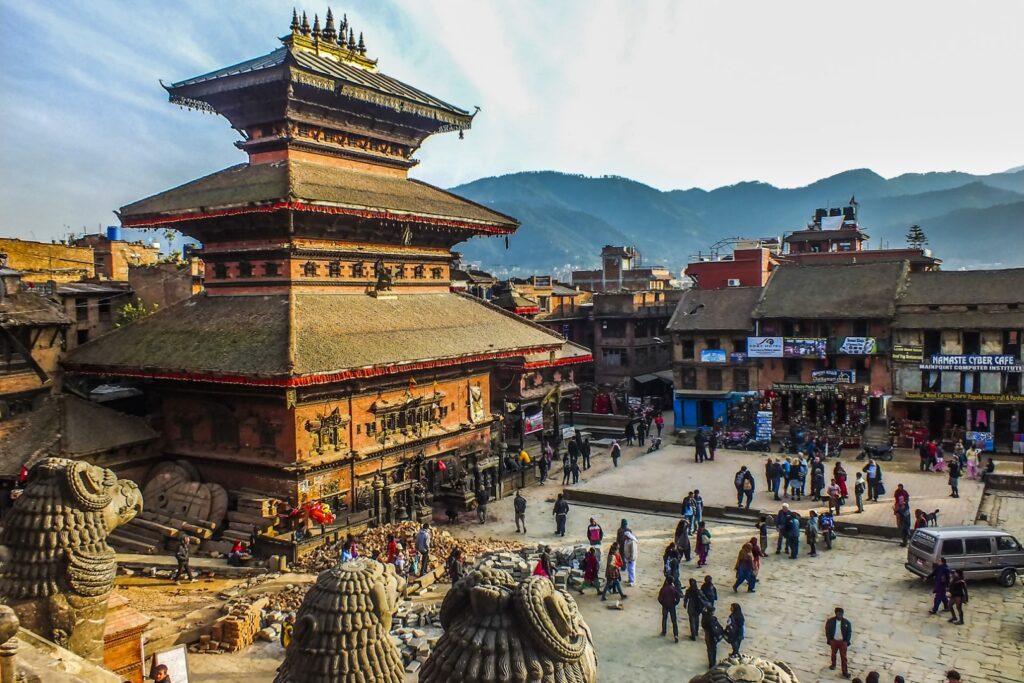
Kathmandu Valley’s squares, temples and courtyards connect architecture with daily religious life. UNESCO’s account describes several distinct monument zones across the valley. Allow time for them individually rather than imagining one compact attraction. Restoration and conservation are part of the continuing story, and a respectful visit means following local instructions on worship, entry and photography.
Bamboo Forest, Japan
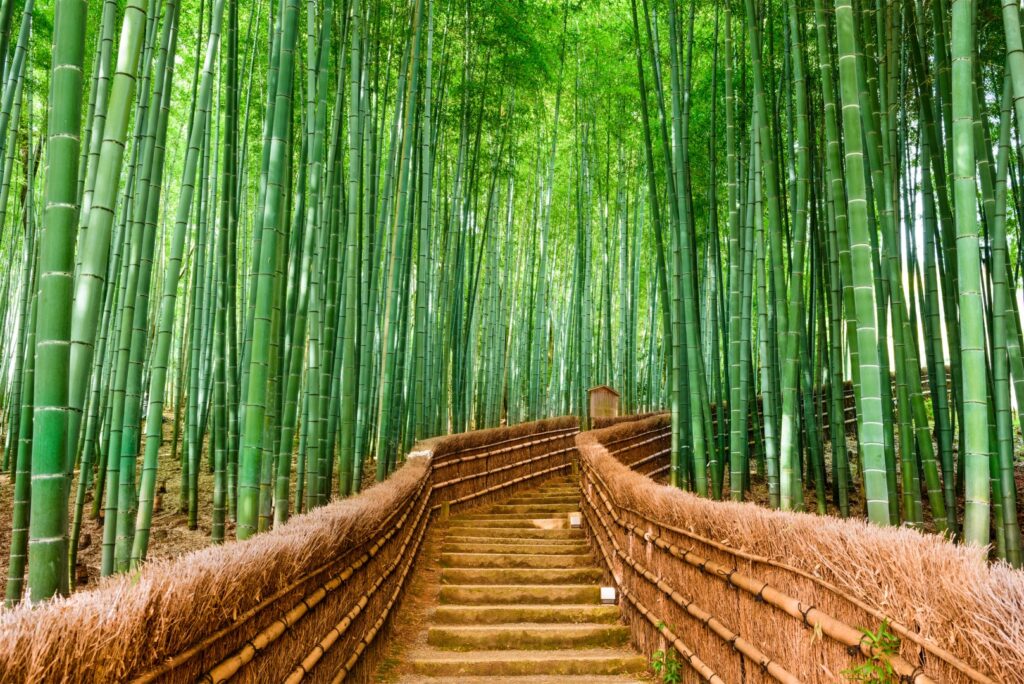
The bamboo grove at Arashiyama is a short but memorable part of western Kyoto. The city’s official guide places it within a wider area of temples, river scenery and residential streets. Look up at the changing light and listen when the crowd thins. Stay on the path, avoid marking the bamboo and give the neighbouring streets the consideration due to any residential area.
Sintra, Portugal
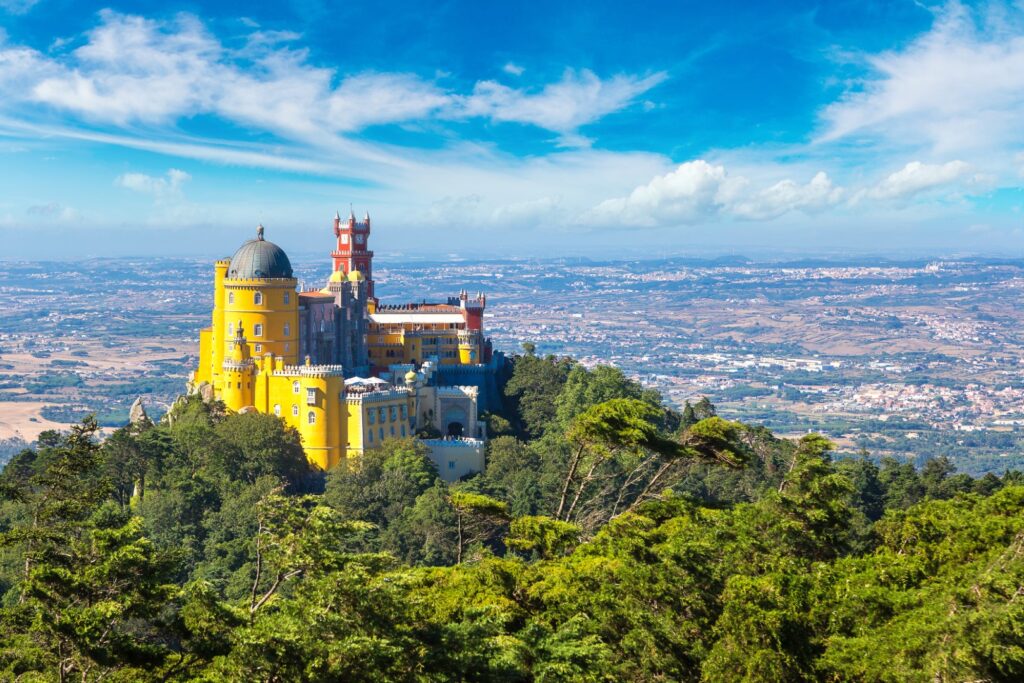
Sintra’s palaces, gardens and hilltop fortifications belong to different periods, with the nineteenth-century Pena Palace especially associated with Romanticism. Parques de Sintra explains the sites and their separate visiting arrangements. Choose a manageable number rather than rushing between every monument. The steep terrain and time spent moving between entrances can make a slower plan far more rewarding.