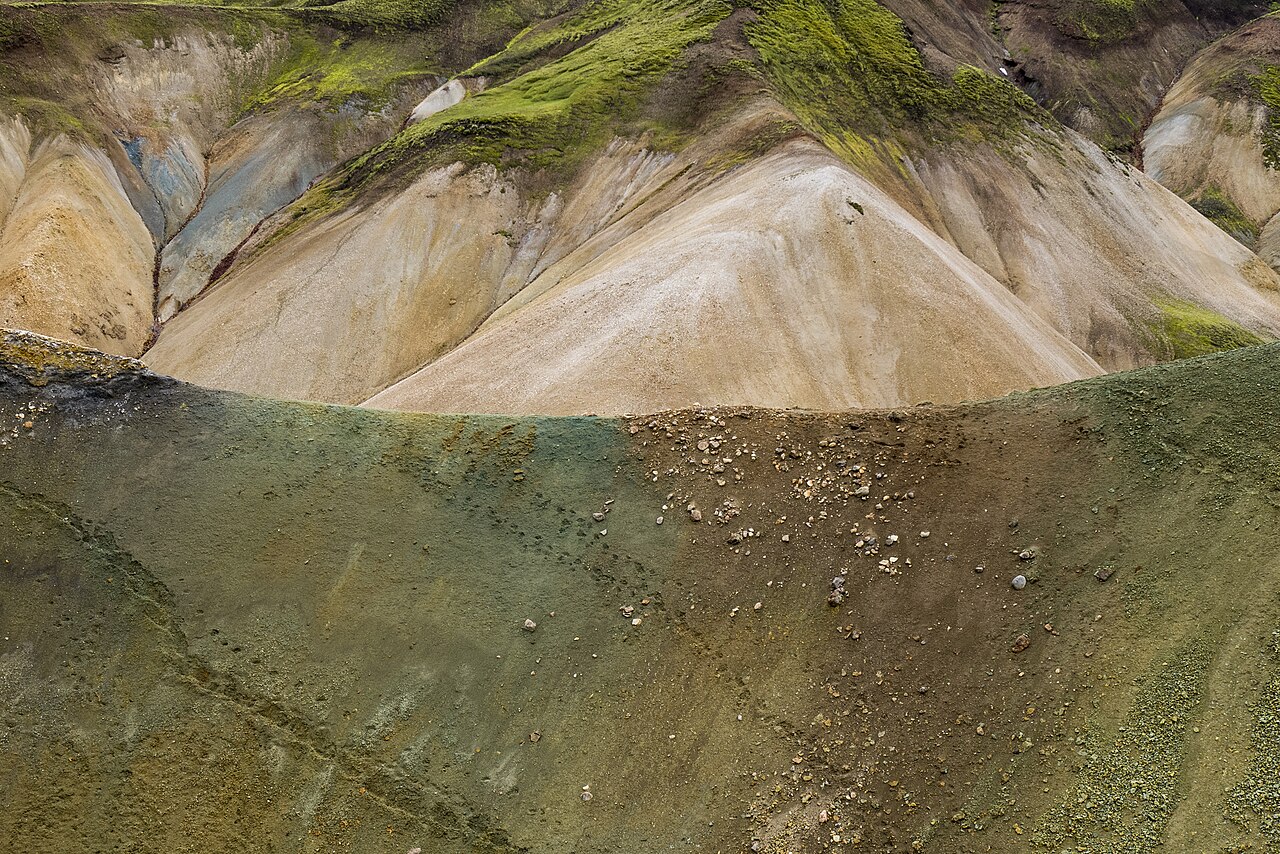

Colour can be a good reason to look more carefully. It might be a hillside changing with the season, a painted doorway or the light catching a stretch of coast. Sometimes it comes from a natural process; sometimes it records years of work, care and local tradition.
The eight countries here offer very different starting points. Each is much more varied than a single palette or photograph can suggest. Choose the particular place that interests you and check its season before planning around an image: flowers, foliage and light do not follow a traveller’s timetable.
South Africa: follow the flowers
The seasonal flowers of Namaqualand make a striking contrast with the region’s drier appearance at other times. Namaqua National Park’s flower-season guide provides an introduction to this landscape and practical information for a visit. The intensity and timing of a bloom depend on conditions, so an old photograph is inspiration rather than a promise.
Build a trip around an interest in the landscape itself, with flexibility for the day’s weather and the routes that are open. Looking closely at smaller patches of colour can be as rewarding as seeking a whole hillside in bloom.
Morocco: a blue street is only the beginning
Chefchaouen is an obvious starting point for an interest in Morocco’s blue-painted streets. Walk slowly enough to notice differences in texture and shade, and remember that a photogenic lane is also part of a lived-in neighbourhood. Keep doorways clear and ask before photographing people.
Look beyond a single colour theme as well. Stone, tiles, textiles and everyday shop displays offer different combinations from one place to the next. That variety is a better introduction to the country than expecting every destination to resemble the same photograph.
Colombia: Cartagena’s streets and coast
Cartagena de Indias brings painted facades, balconies and Caribbean light into an inviting urban scene. Its streets reward looking up as well as ahead, with changes in shadow affecting the colours over the course of a walk.
Give the buildings some context by choosing a local historical walk or learning about the neighbourhood where you are staying. A city becomes more interesting when its colours are connected with people and history. Leave time to step away from the busiest photo stops and enjoy a small area at an ordinary pace.
The Netherlands: plan around a season
Flower fields are one of the Netherlands’ most recognisable colour stories, but they are working landscapes with a limited season. Use the official Netherlands tourism site to research the region and time of year that suit your trip. A particular field may look completely different on your chosen dates.
Enjoy displays from authorised paths or visitor sites, and respect growers’ access rules. In a town, try a different kind of colour walk: painted doors, brickwork and waterside reflections make a pleasing subject without depending on a field being in bloom.
Peru: look at the whole landscape
Peru’s variety offers a reminder that colour is also a question of scale. Mountain slopes, cultivated valleys and forest environments create very different visual experiences. The Peru tourism board is a starting point for choosing a region before narrowing down the journey.
For an interest in the Amazon, investigate an established nature visit with appropriate local guidance rather than choosing a place solely for a wildlife photograph. When enjoying textiles or festivals, ask about the work and its meaning; buying directly from makers can turn an attractive object into a more thoughtful connection.
Norway: notice the light
Norway’s fjords and northern skies show how much a landscape can change without changing location. Visit Tromsø’s northern-lights guide explains why a successful sighting depends on conditions. Darkness, cloud and natural activity matter; no itinerary can guarantee the display in a promotional photograph.
Choose a place you would enjoy even on a cloudy evening. A harbour, coastal walk or quiet view of the water gives the trip something tangible to offer while you wait for a different kind of light.
India: colour with a local story
Jaipur provides one starting point for exploring the relationship between colour and architecture. Begin with India’s official Jaipur guide, then give individual buildings and streets time rather than treating an entire city as a backdrop.
Festivals, clothing and decorative traditions have meanings that vary between communities and places. Ask a local guide or host about the context before joining an event or photographing a ceremony. The most memorable colours may be attached to a conversation, a craft demonstration or an ordinary detail you would otherwise have walked past.
Japan: let the season shape the route
Japan’s autumn foliage offers a different palette from its spring blossom, and both vary by region and conditions. Japan National Tourism Organization’s autumn guide is a useful place to begin planning. Pick a region and allow flexibility instead of assuming a whole country reaches its seasonal peak at once.
Gardens, temple grounds and quieter streets can offer ways to enjoy colour without a long list of distant stops. Spend a little longer in one setting and watch the light change. A more attentive visit can reveal far more than another photograph added to the collection.